What are Spotlight Projects?
Fighting For Joy believes that we can all take action to improve one another’s lives. Spotlight Projects are specific opportunities that align with Fighting For Joy’s mission to heal, empower and transform women worldwide.
Media:
The launch of the Redefining Possible Podcast in 2025 created opportunities for individuals shine a light on what can happen when faith meets facts and God steps into the story. Through compelling interviews and meaningful storytelling, Redefining Possible host Peyton Hoffman creates content that educates, inspires and empowers viewers across multiple platforms. Redefining Possible highlights stories from every stage of life- from college students to media executives and professional sports athletes, from those overcoming addiction, homelessness or prison to global brand ambassadors. Redefining Possible explores the vulnerable stories of perseverance and overcoming that lead to life-long transformation. It was during Peyton’s own season of waiting, wondering and sometimes wandering that she discovered the profound truth that God’s possibilities are limitless, even when circumstances seem impossible. Filmed at the renowned Manhattan Beach Studios, and syndicated across Spotify, Apple Podcasts, Amazon Music and iHeartRadio, the show mixes both in-person and virtual interviews across multiple topics: identity, business, personal growth, leadership, and faith.
Each 45 minute interview centers around the following questions:
* How has this changed your faith?
* How has this transformed how you see yourself?
* How has this redefined what you believe is possible for your life?
Everyone has a story. Redefining Possible exists to bring them to the world.
Education:
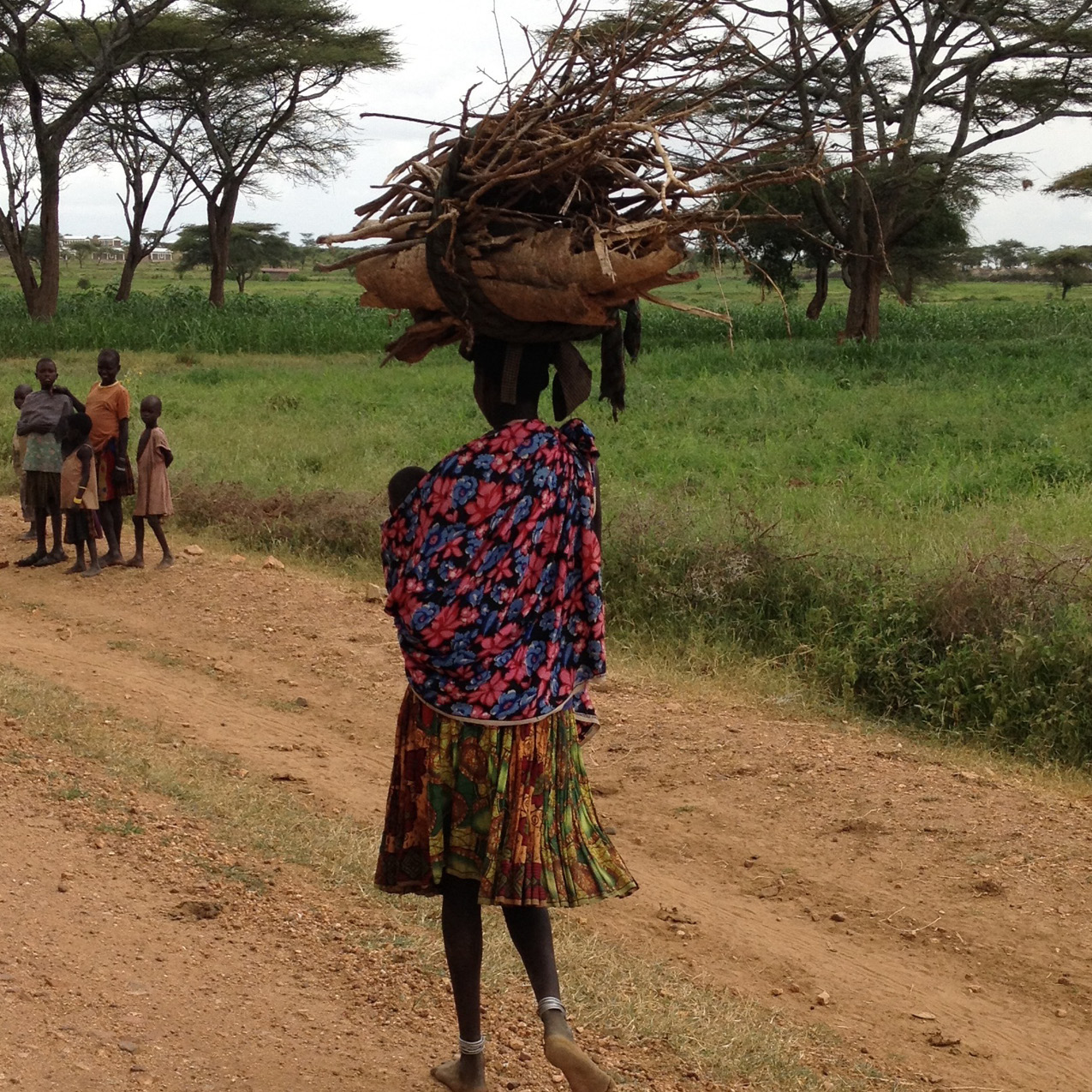
Building a secondary school for girls in Africa is something that the Lord put on our founder’s heart over a decade ago during a trip to East Africa. It’s only recently that the people, resources, and opportunities, have come together to make this long-held dream a reality. There are several countries in Africa, such as Uganda and the Democratic Republic of Congo (DRC), that face daunting educational challenges- especially in providing quality and accessible education to adolescents. While the majority of children have access to primary school enrollment, only 1 in 4 in Uganda attend secondary school. Regardless of whether a child is in a city or remote village, costs can as much as triple from primary to secondary school in Uganda. UNICEF is warning of the potential of a “lost generation” due to the lengthy school closures. Even when schools reopened, about 1 in 10 children failed to return.
The conflict-ridden Democratic Republic of Congo currently has over 2 million displaced men, women and children. Throughout the country, only 16% of girls have any access to secondary school education. Because of this, many are illiterate- unable to read or write basic sentences. Over half of all Congolese women have experienced physical abuse, with just under one-third experiencing sexual violence. Secondary school education is actually a protection for these girls. Early marriage and pregnancy is indirectly proportionate to educational opportunities for girls in the DRC. The higher their educational opportunity, the lower these rates occur. Educating girls in the DRC is one of the primary weapons used to break the cycles of poverty and lack of development in that country.
Unlike in the United States, public schools in many developing nations charge school fees just like private schools do. Many adolescents, especially girls, are kept out of secondary schools due to teen pregnancy, educational fees, and child marriage- all of which increased during school closures. School fees have risen alongside poverty rates, with up to 30% of families in Uganda alone pulling children, especially their daughters, out of school due to a lack of financial resources.